


A day at the beach is one of the best parts of any Outer Banks vacation, but the Atlantic Ocean can be unpredictable, even for experienced swimmers and especially on the Outer Bank coastline. From rip currents and shore break to intense summer heat, understanding local beach conditions is an important part of staying safe on the OBX. These water safety tips from local lifeguards can help visitors and families enjoy a fun, safe, and stress-free beach vacation on the Outer Banks.
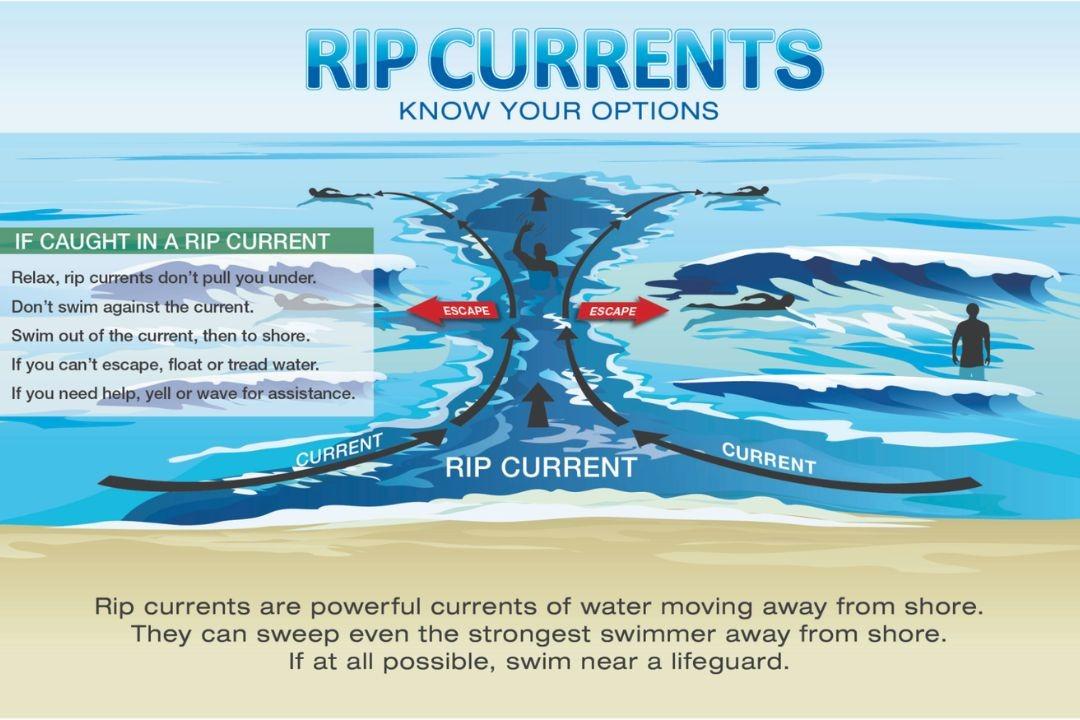
Because the OBX is made up of barrier islands with constantly changing sandbars, inlets, tides, and wave conditions, rip currents can form unexpectedly along nearly any stretch of beach. They are especially common near piers, jetties, sandbars, and breaks in the waves.
Local lifeguards recommend that visitors take a few minutes to observe the ocean before entering the water. Signs of a rip current may include:
- A darker or deeper-looking channel of water
- Waves that are not breaking in one specific area
- Choppy or foamy water moving away from shore
- Sand or debris being pulled out to sea
If you ever get caught in a rip current, the most important thing to remember is not to panic. Avoid trying to swim straight back to shore against the current, as this can quickly lead to exhaustion. Instead:
- Stay calm and float if needed
- Swim parallel to the shoreline until you are out of the current
- Then angle back toward shore
- Wave and call for help if you need assistance
Be sure to always pay attention to daily surf and flag conditions before entering the water.
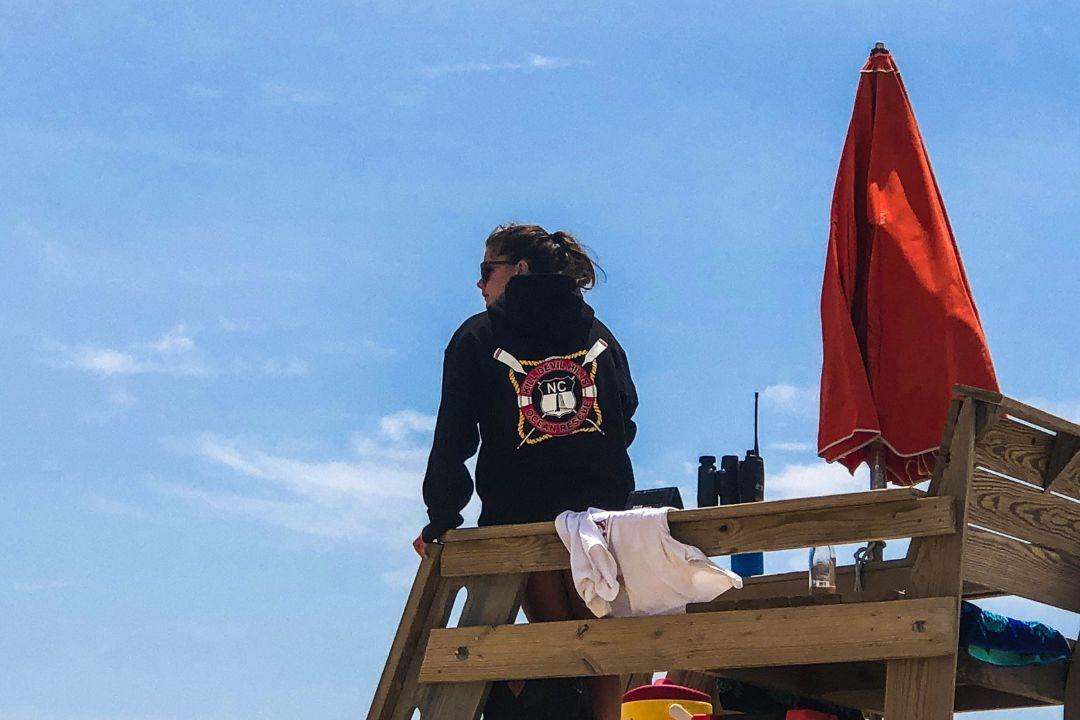
One of the simplest and most effective ways to stay safe on the Outer Banks is to swim near an active lifeguard stand. Local lifeguards are trained to spot dangerous surf conditions, identify rip currents, and respond quickly during emergencies. Their knowledge of OBX beaches and changing ocean conditions can make a major difference during your vacation.
Ocean conditions on the Outer Banks can shift throughout the day due to tides, wind, wave height, and weather. Even beaches that appear calm in the morning can become dangerous later in the afternoon. Lifeguards constantly monitor these changes and often move swimmers away from hazardous areas before problems occur.
Families with children should especially prioritize lifeguarded beaches whenever possible. Lifeguards can provide guidance about safe swimming zones, shore break conditions, and surf hazards that visitors may not immediately recognize.
Before heading into the water, take a moment to speak with the lifeguards on duty and ask about the day’s conditions. They can let you know:
- If rip currents are present
- Areas to avoid
- Current wave and surf conditions
- The safest places to swim that day
It’s also important to remember that lifeguards are not babysitters. Parents and guardians should always actively supervise children in and around the water, even at guarded beaches. Drowning and water emergencies can happen quickly and quietly, especially in crowded summer conditions. Staying nearby, keeping younger swimmers within arm’s reach, and avoiding distractions can help everyone enjoy a safer beach day.
Many OBX towns provide lifeguard services during the summer season, but coverage varies by location and time of year. Even when lifeguards are present, swimmers should continue to use caution, supervise children closely, and avoid going too far offshore.
View all beach accesses in our beach access guide here.
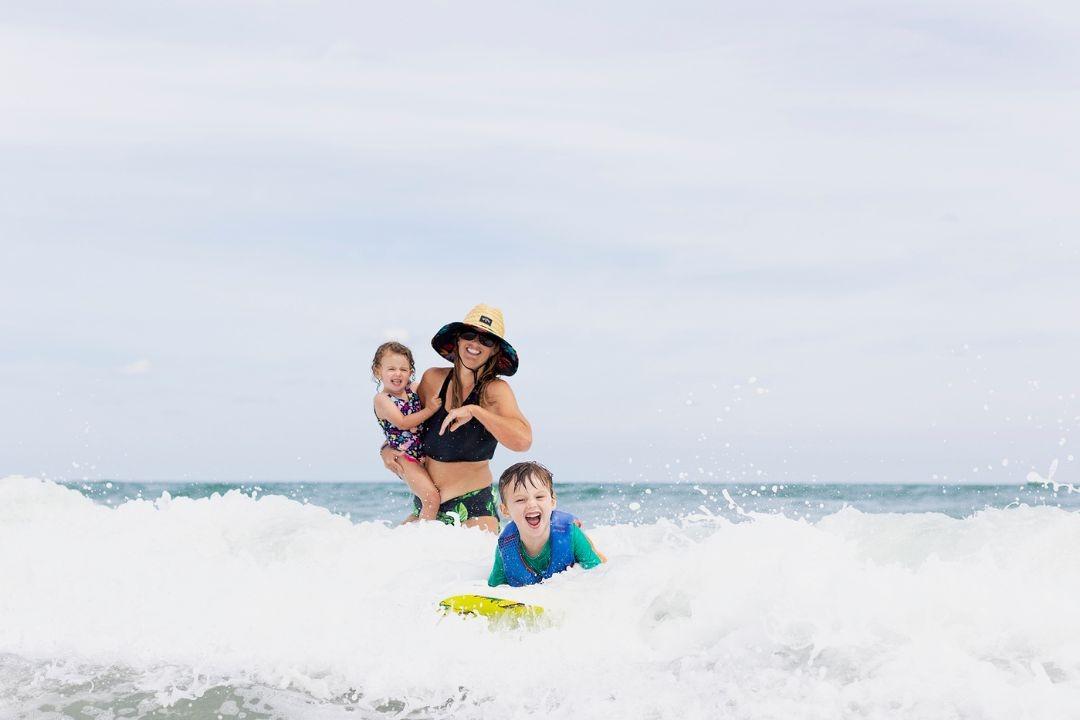
Before heading into the ocean, local lifeguards recommend making a plan for water safety — especially for families with children or inexperienced swimmers. One of the best ways to prevent accidents is to assign a designated “water watcher.” This person should stay focused on actively supervising swimmers without distractions like phones, books, conversations, or alcohol.
On busy summer beach days, it can be easy to assume someone else is watching the kids, but accidents can happen in seconds. Rotating water watcher duties between adults can help everyone stay alert while still enjoying time on the beach.
It’s also important for visitors to understand their swimming abilities before entering the Atlantic Ocean. Even calm-looking OBX beaches can have strong currents, breaking waves, and uneven ocean bottoms. Children and inexperienced swimmers should learn basic swimming skills and become comfortable in the water before venturing into deeper surf conditions.
Using U.S. Coast Guard-approved flotation devices can provide an extra layer of safety, particularly for young swimmers and weaker swimmers. Life jackets are strongly recommended for children playing near the water, while inflatable pool toys and rafts should never be relied on as safety devices in the ocean. Strong winds and currents can quickly carry floats farther offshore.
A few simple precautions — active supervision, knowing your limits, and using proper flotation equipment — can go a long way toward creating a safer and more enjoyable Outer Banks beach vacation.
Local lifeguards strongly recommend entering the ocean feet first, especially on Outer Banks beaches where underwater conditions can change daily. Sandbars, drop-offs, hidden holes, and powerful shore break waves can make diving into unfamiliar water extremely dangerous.
The OBX shoreline is constantly shifting due to tides, waves, and storms, which means the depth and shape of the ocean bottom may look completely different from one day to the next. Water that appears deep enough for diving may actually be shallow just beneath the surface.
Entering the water feet first helps swimmers:
- Check water depth safely
- Avoid head, neck, and spinal injuries
- Feel for strong currents or sudden drop-offs
- Adjust to wave conditions gradually
Shore break waves can also be surprisingly powerful on the Outer Banks. These waves break directly near the shoreline and can knock swimmers off balance, especially children and inexperienced swimmers. Entering slowly and carefully gives you time to judge the surf before moving farther into the water.
Lifeguards advise visitors to never dive headfirst into the ocean unless they are absolutely certain of the depth and conditions. Taking a cautious approach when entering the water can help prevent serious injuries and keep your beach day safe and enjoyable.

Spending the day at the beach is a favorite part of any Outer Banks vacation, but local lifeguards strongly warn against mixing alcohol with swimming or water activities. Alcohol can impair judgment, slow reaction times, affect balance, and make it more difficult to recognize dangerous conditions in the ocean.
Even experienced swimmers can become vulnerable in OBX surf conditions after drinking. Rip currents, strong waves, shore break, and changing tides require quick thinking and physical awareness — both of which are reduced when alcohol is involved.
Alcohol also contributes to dehydration and fatigue, especially during hot summer days spent in the sun. Combined with physical activity like swimming, surfing, or boogie boarding, this can increase the risk of exhaustion and accidents in the water.
Parents and guardians should be especially cautious about consuming alcohol while supervising children at the beach. Active supervision is one of the most important parts of water safety, and distractions or impaired judgment can allow emergencies to happen quickly.
Local lifeguards encourage visitors to save alcoholic drinks for after swimming and water activities are finished for the day. Staying alert and aware in the ocean helps create a safer experience for everyone enjoying the beaches of the Outer Banks.
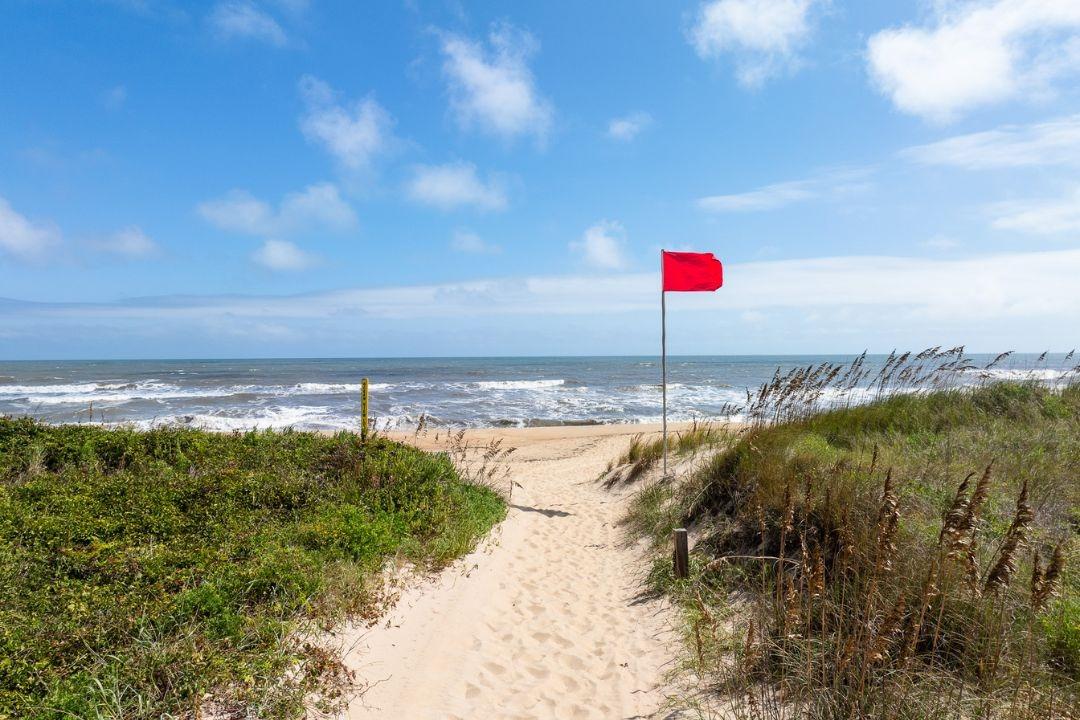
Before heading into the water on the Outer Banks, take a moment to check the beach warning flags posted near public accesses and lifeguard stands. These flags provide important information about daily ocean conditions and help visitors understand potential hazards before swimming.
Ocean conditions on the OBX can change quickly due to weather, tides, wind, and surf conditions. Even on sunny days, dangerous rip currents or heavy shore break can still be present. Local lifeguards use the flag system to communicate the current level of risk.
While flag systems can vary slightly by town, common Outer Banks beach flags include:
- Yellow Flag: Medium hazard conditions including moderate surf or currents
- Red Flag: High hazard conditions with dangerous surf and strong currents
- Double Red Flags: Water closed to the public due to extremely dangerous conditions
- Purple Flag: Dangerous marine life may be present, such as jellyfish or stingrays
Beach warning flags are posted for everyone’s safety and should always be respected. Lifeguards often do not make the final decision on flag conditions themselves, but enforce safety protocols based on current ocean hazards. When lifeguards give instructions or restrict swimming, visitors and locals should follow their guidance to help keep everyone safe.
If you are unsure what the flags mean, ask a lifeguard before entering the water. Taking a few seconds to understand the day’s beach conditions can help prevent dangerous situations and keep your Outer Banks vacation safe and enjoyable.
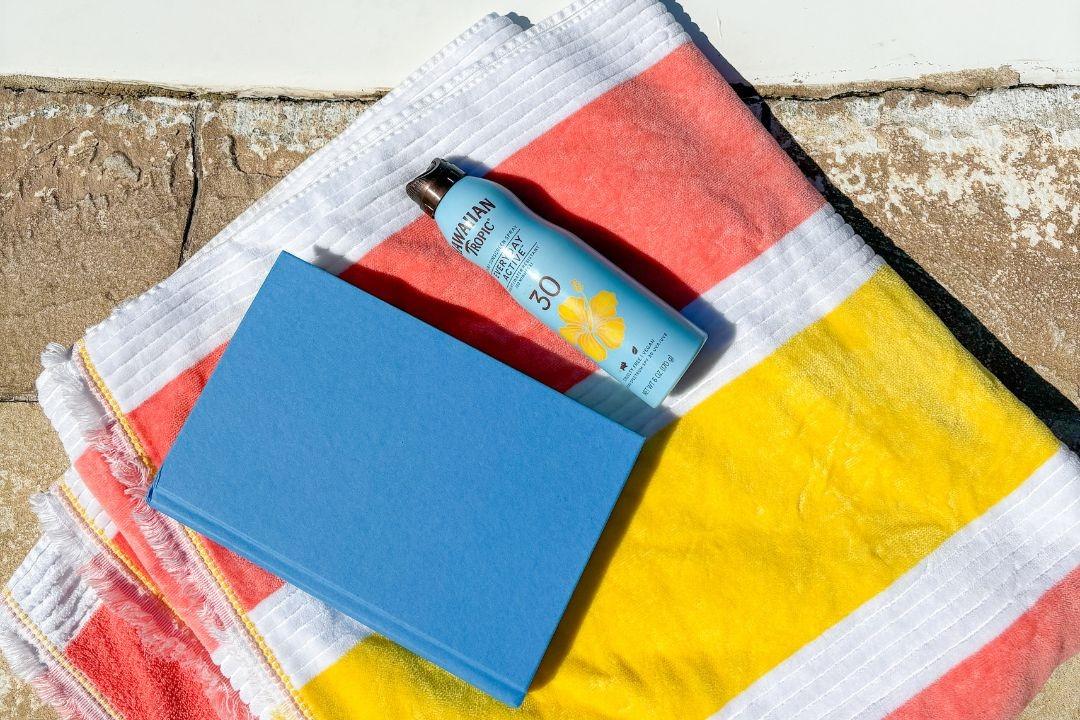
Long days on the beach can quickly lead to dehydration and sunburn, especially during the hot summer months on the Outer Banks. Local lifeguards recommend drinking plenty of water throughout the day, even if you don’t feel thirsty, since heat and sun exposure can cause dehydration faster than many visitors realize.
Wearing sunscreen, sunglasses, hats, and protective clothing can also help reduce the risk of sunburn and heat-related illnesses. Reapply sunscreen regularly, especially after swimming or spending extended time in the water. Taking breaks in the shade and cooling off indoors during the hottest parts of the afternoon can help everyone stay safer and more comfortable during a day at the beach.

After spending hours in the sun, surf, and sand, it’s important to give your body time to cool down and recharge. Taking breaks from the heat can help prevent dehydration, exhaustion, and heat-related illnesses during your Outer Banks vacation.
One of the best parts of staying with Outer Banks Blue is having a comfortable place nearby to relax and cool off throughout the day. Families can enjoy air-conditioned living spaces, shaded decks, fun amenities, and fully equipped kitchens to prepare meals, hydrate, and take a break before heading back to the beach. A little time out of the sun can go a long way toward helping everyone stay safe and enjoy more time on the Outer Banks.
The beaches of the Outer Banks offer unforgettable vacation experiences, but the ocean deserves respect and preparation. From understanding rip currents and warning flags to staying hydrated, supervising children, and listening to local lifeguards, a few simple safety precautions can make a big difference during your trip. By staying aware of ocean conditions and making smart choices around the water, families can enjoy everything the OBX has to offer while creating safe and lasting beach memories together.