
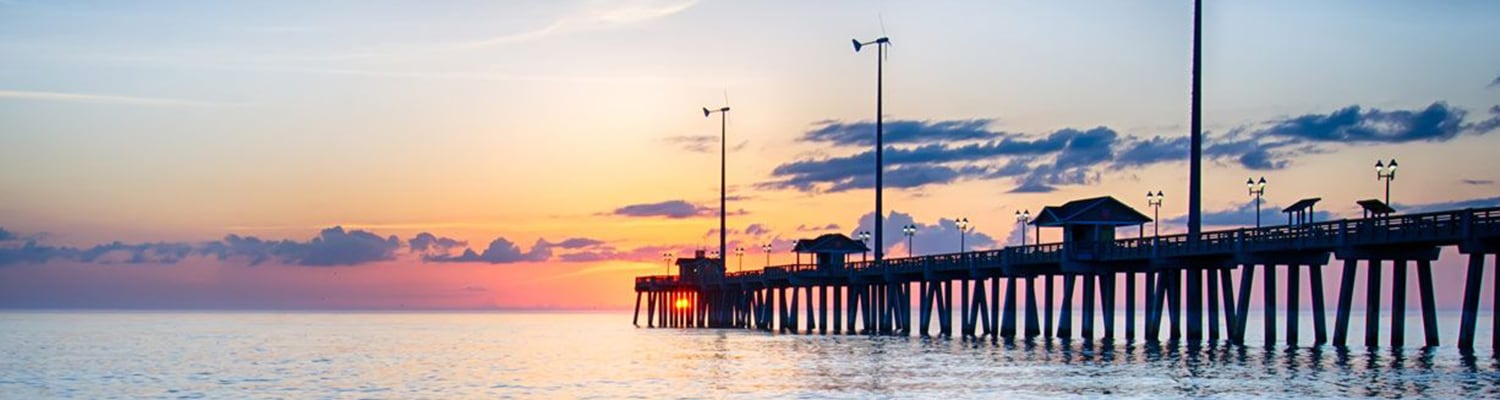
If you get excited at the thought of being surrounded by animals, the Outer Banks will become your new favorite vacation spot. Home to a vast range of unique wildlife, this region features lots of protected and unspoiled land that encourages growth in animal populations.
To learn about our native critters, the best place to start your vacation is at the Outer Banks Center for Wildlife Education in Corolla. This incredible 22,000-square-foot education center is the ideal place to bone up on animals you might see, so you know what you're spotting as you enjoy your getaway.
Here are some of the most popular animals to see in the Outer Banks:
-79029CE3-034F-49DB-AC53C0E7BA1F53A0.png)
Yes, there are alligators in the Outer Banks! Alligators are shy, so it's not likely that you'll see one in your rental neighborhood. If you want to see an alligator, your best bet is to take a trip to
Alligator River National Wildlife Refuge, a 12,000-acre preserve, or to Pea Island Wildlife Refuge, across the sound from Alligator River!The Outer Banks are home to more wildlife than most people know. For the best chance at seeing some of our furry (or slippery) locals, drive slowly, walk quietly, and watch for movement near the ground or the surface of the water.-(1)-191C7FC1-B079-44FA-9952C928EE50352E.png)
Everyone's favorite Outer Banks animal is the Atlantic Bottlenose Dolphin! Dolphins can pop up anywhere in the water — in the calm waters of the sound or inlet, to the choppy waves near the beach or offshore. Watch for dolphin from the beach or pier, or take a special dolphin-watching boat ride to maximize your chances of seeing these slippery critters.
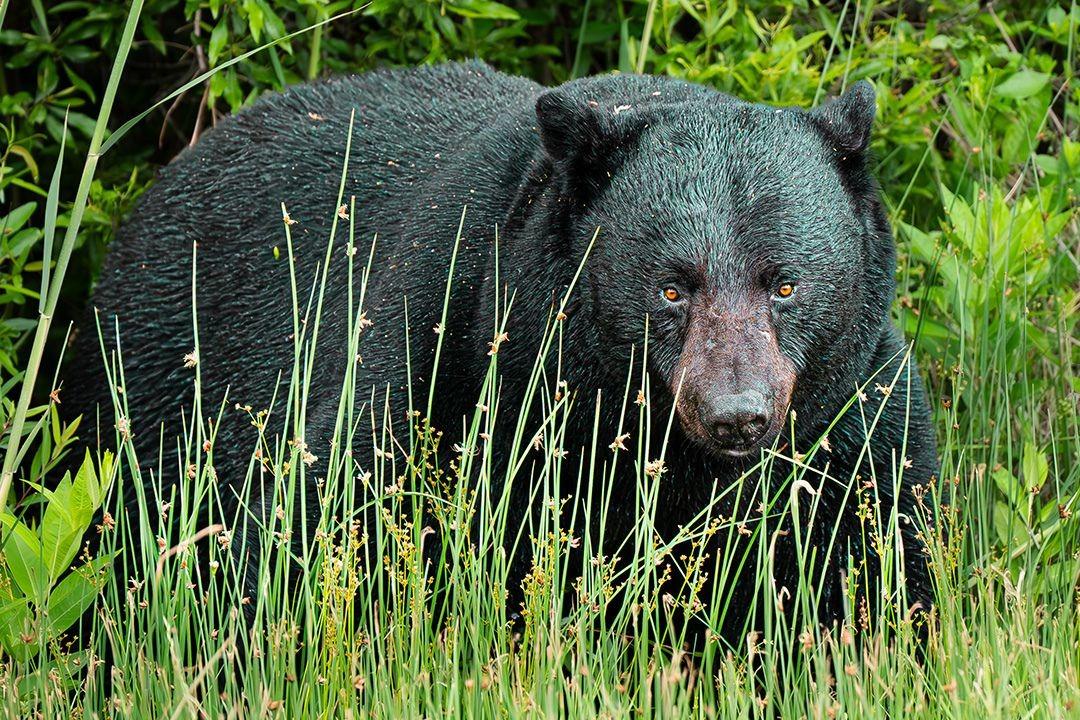
Many folks driving into the Outer Banks are surprised to see a black bear standing alongside, or crossing, the road. Black bears are frequently seen in the islands, especially in Currituck and around the Alligator River National Wildlife Refuge. Black bears don't have a reputation for being aggressive, but they are bears after all. Best to steer clear, give them space and don't feed them.
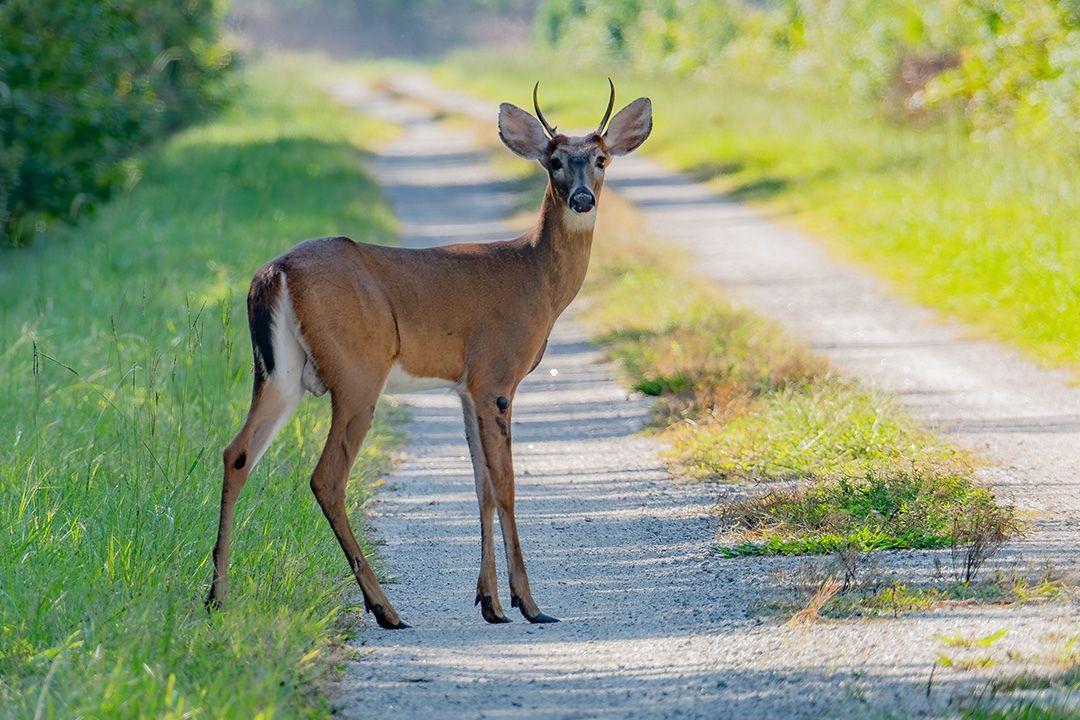
Deer are frequently seen around the Outer Banks in wooded areas. Nags Head is especially flush with deer, and sightings of herds are common near sunset. If you're driving near dusk or dawn, go slowly and keep an eye out for the tell-tale shining eyes in the brush.
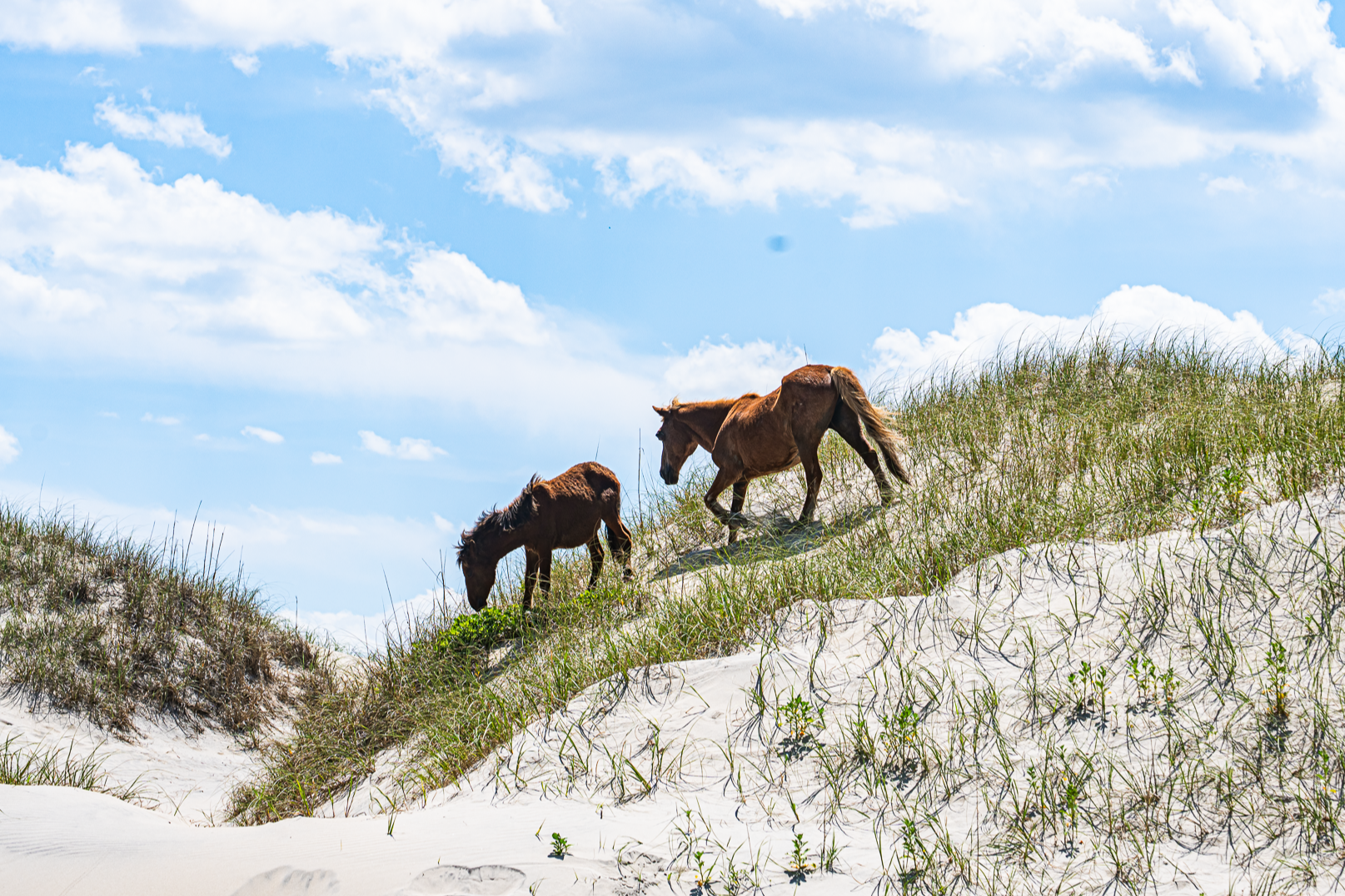
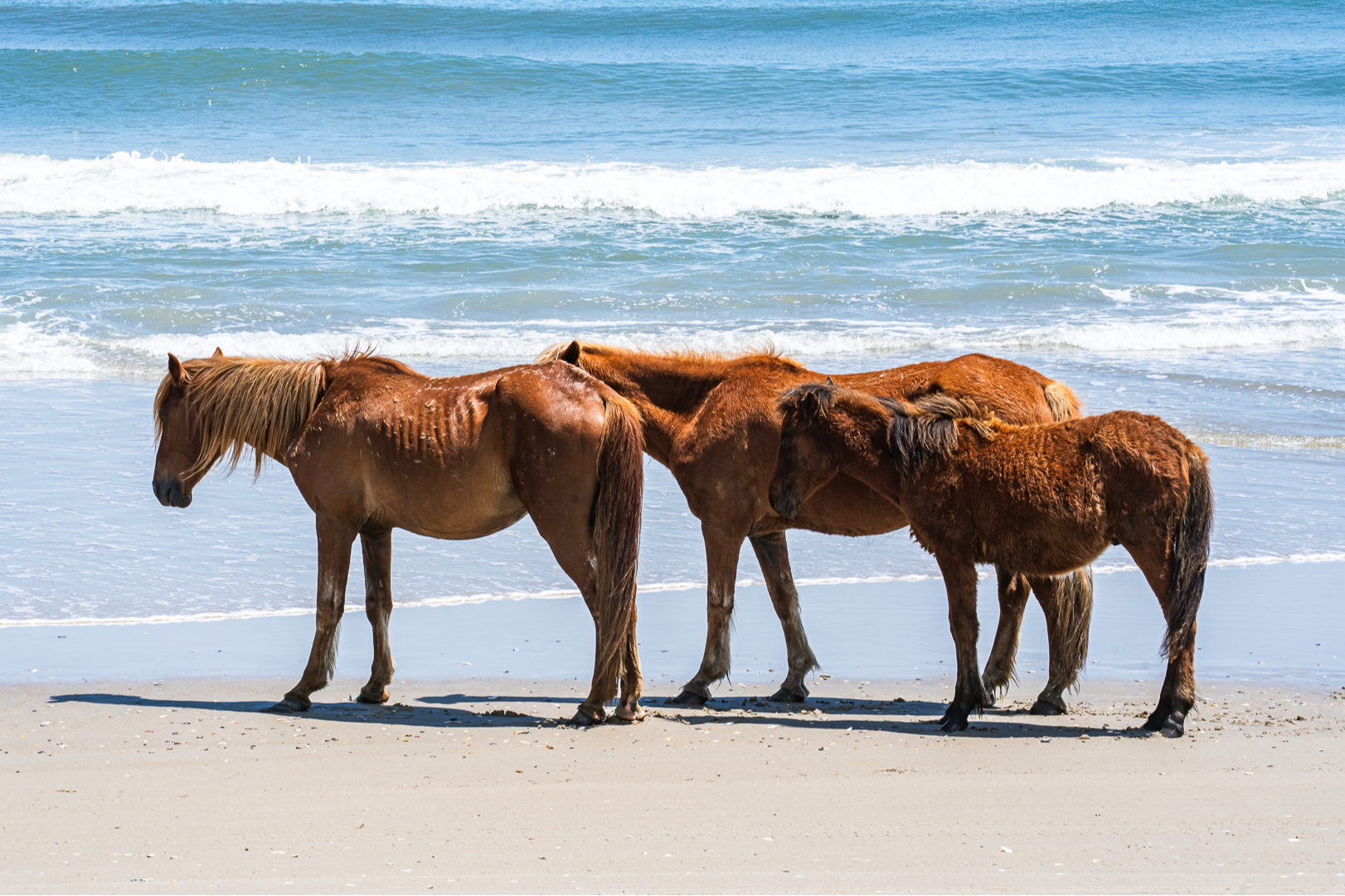
Of course, the wild horses of the Outer Banks, known as "banker ponies," are the most famous residents of the islands. These horses are believed to be descendants of Spanish horses that swam ashore after shipwrecks hundreds of years ago. Banker ponies are protected, and they have the run of the place. You're most likely to see them on Corolla beaches and in Ocracoke, but they have been seen elsewhere.
-(2)-50F099EE-499F-4EE0-A734A5720E1EBAB1.png)
If you’re exploring the marshes and waterways of the Outer Banks, you may spot a nutria — a large, semi-aquatic rodent often mistaken for a beaver or muskrat. Native to South America and introduced to the U.S. in the early 1900s for the fur trade, nutria now inhabit brackish marshes, canals, and wildlife refuges along the OBX, where they feed on aquatic vegetation. They’re easy to identify by their round brown bodies, long rat-like tails, webbed hind feet, and distinctive bright orange front teeth.
While seeing one can be a unique wildlife experience during a kayak trip or nature walk, nutria are considered an invasive species because their heavy feeding can contribute to marsh erosion and habitat loss in fragile coastal ecosystems. If you’re lucky enough to encounter one, admire it from a safe distance and enjoy this unexpected piece of Outer Banks wildlife.
Sea Turtles
-(3)-D1A1A750-C1F3-461B-B62FC806CEABFE89.png)
Five different kinds of sea turtles nest on Outer Banks beaches: leatherback, hawksbill, Kemp's ridley, loggerhead, and green turtles. Watch for sandy mounds on the beach, especially near the dunes. Remember: If you see a turtle or a nest, don't disturb it. If you want to know more about sea turtles and how to help with the conservation of our native loggerhead sea turtles, visit the STAR Center at the North Carolina Aquarium in Roanoke!
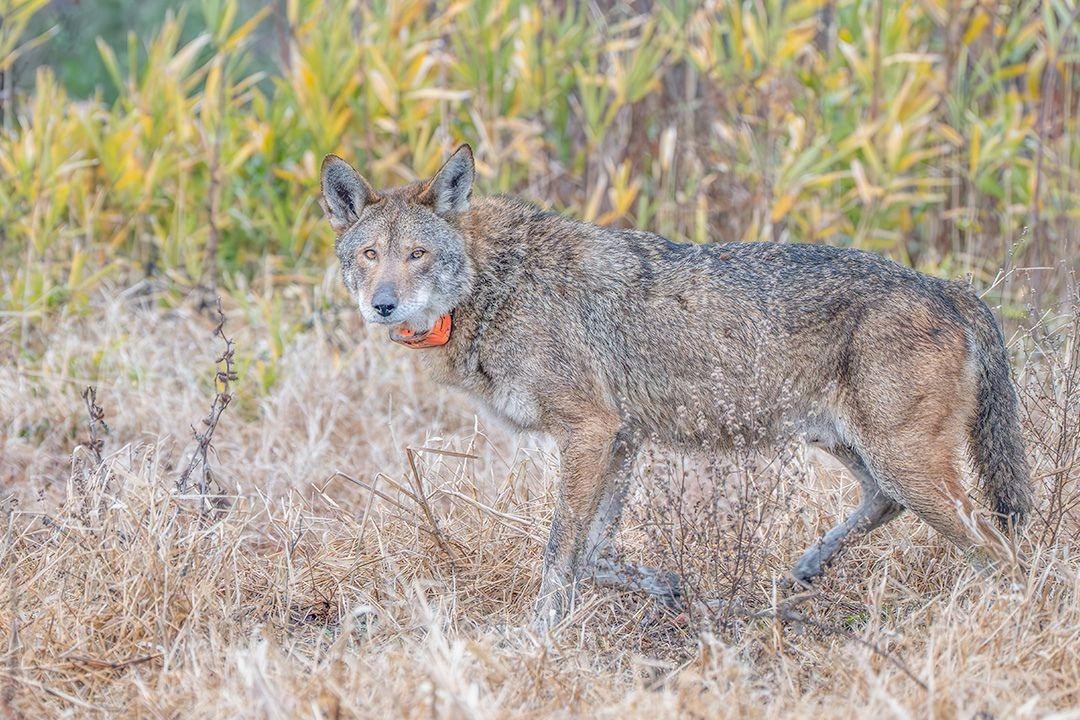
The red wolf is one of the most iconic and endangered species you might hear about while visiting the Outer Banks. Native to the southeastern United States, red wolves were nearly wiped out in the wild by the 1970s, but conservation programs have helped reintroduce them to select areas, including parts of North Carolina. Slightly smaller than gray wolves, red wolves have striking reddish-brown coats, pointed ears, and a lean, agile build that makes them masters of marshes and forests.
In the wild, they primarily hunt small mammals like rabbits, raccoons, and rodents, and they play a critical role in maintaining balanced ecosystems. Sightings are rare, but if you’re exploring wildlife refuges like Alligator River National Wildlife Refuge, you might catch a glimpse of these elusive predators from a safe distance, making red wolves a fascinating highlight of Outer Banks wildlife.
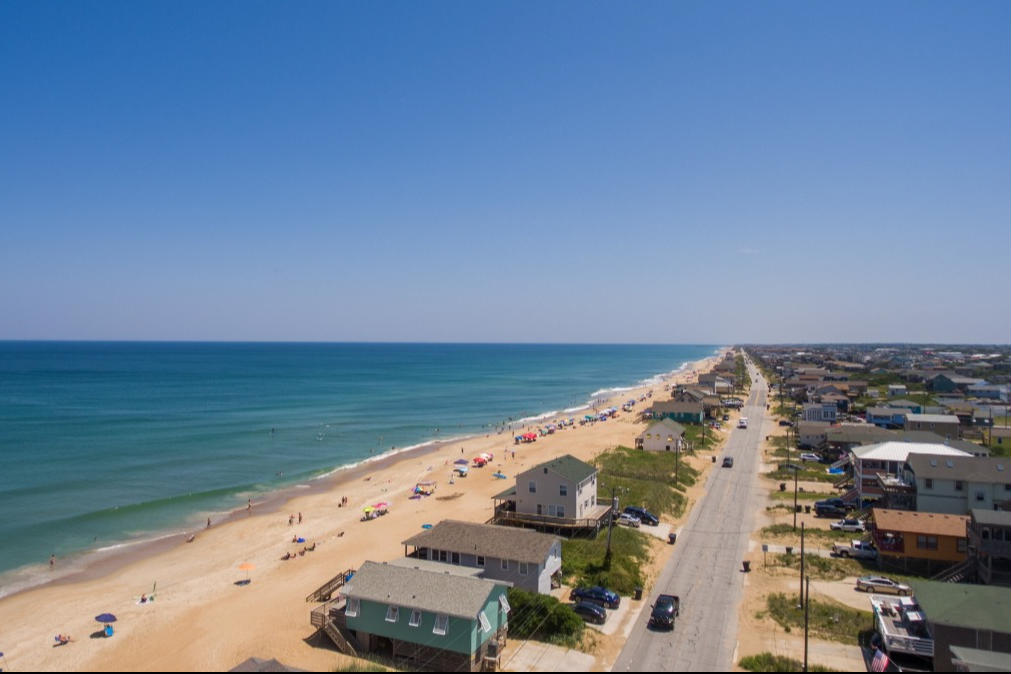
While you're staying at the Outer Banks, you'll see plenty of wildlife on land and at sea! From dolphins, alligators, and sea turtles to hares, muskrats, deer, and wolves, the fauna of the Outer Banks are awe-inspiring and best of all, right outside your front door when you reserve a vacation rental through Outer Banks Blue!