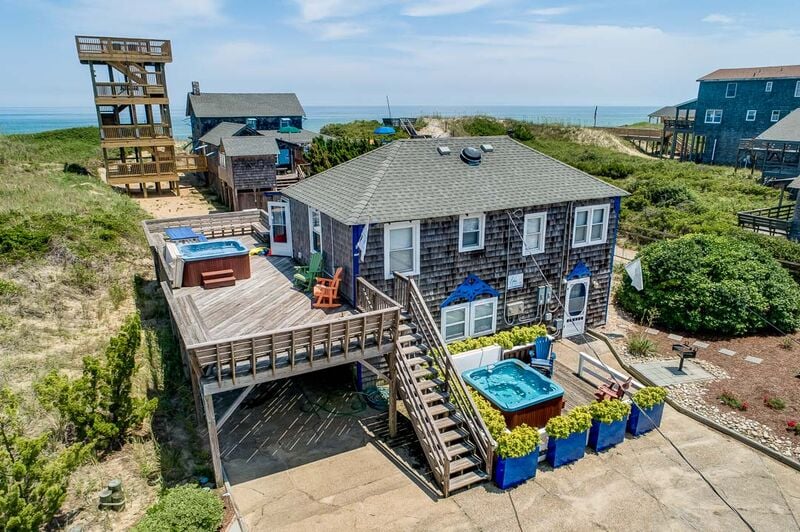
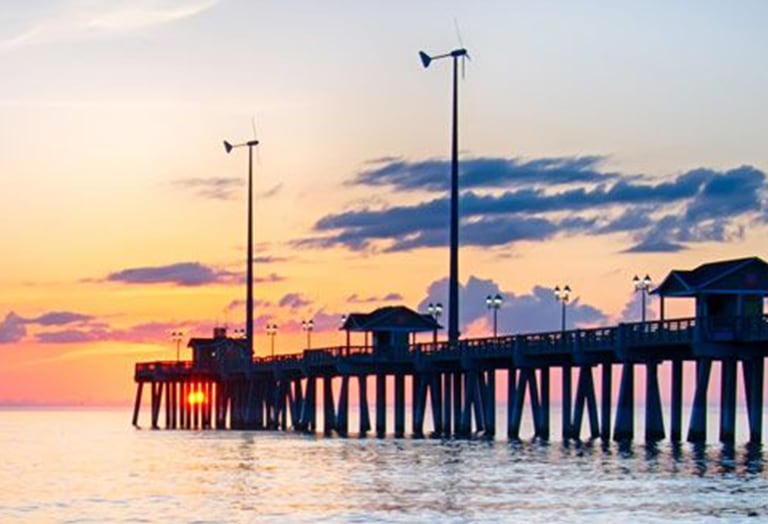

The Outer Banks is famous for its wide beaches, iconic lighthouses, and laid-back coastal towns—but that’s only part of the story. Stretching along North Carolina’s barrier islands, this destination is also home to wild coastal refuges, hidden maritime forests, historic fishing villages, and one-of-a-kind outdoor adventures that most visitors never experience. Beyond the familiar shoreline lies a quieter, more surprising side of the Outer Banks, where you can paddle alongside wildlife, explore remote islands, and discover natural and cultural gems tucked just out of sight.
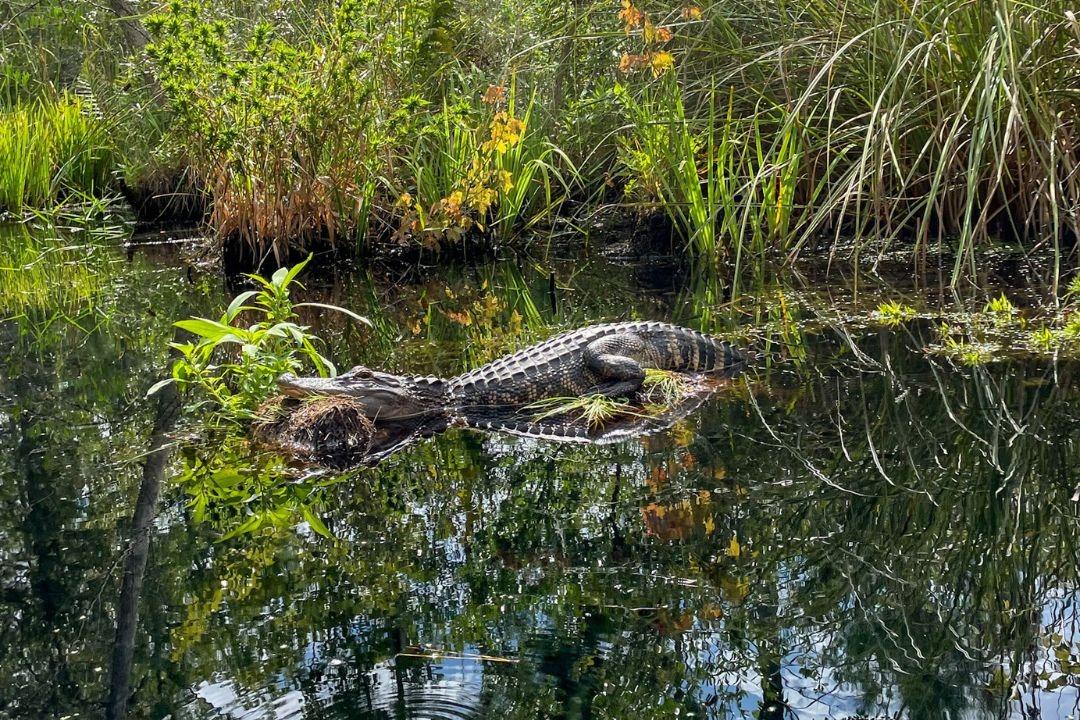
When most people think of an Outer Banks vacation, they picture wide sandy beaches, historic lighthouses, and fresh seafood. What many visitors don't realize is that one of the most unique wildlife experiences on the East Coast is located just inland from the coast at Alligator River National Wildlife Refuge.
Spanning more than 150,000 acres, the refuge is home to a diverse ecosystem of wetlands, forests, and waterways that support hundreds of species of wildlife. Among its most famous residents are American alligators, which can often be spotted basking along the banks or gliding quietly through the water.
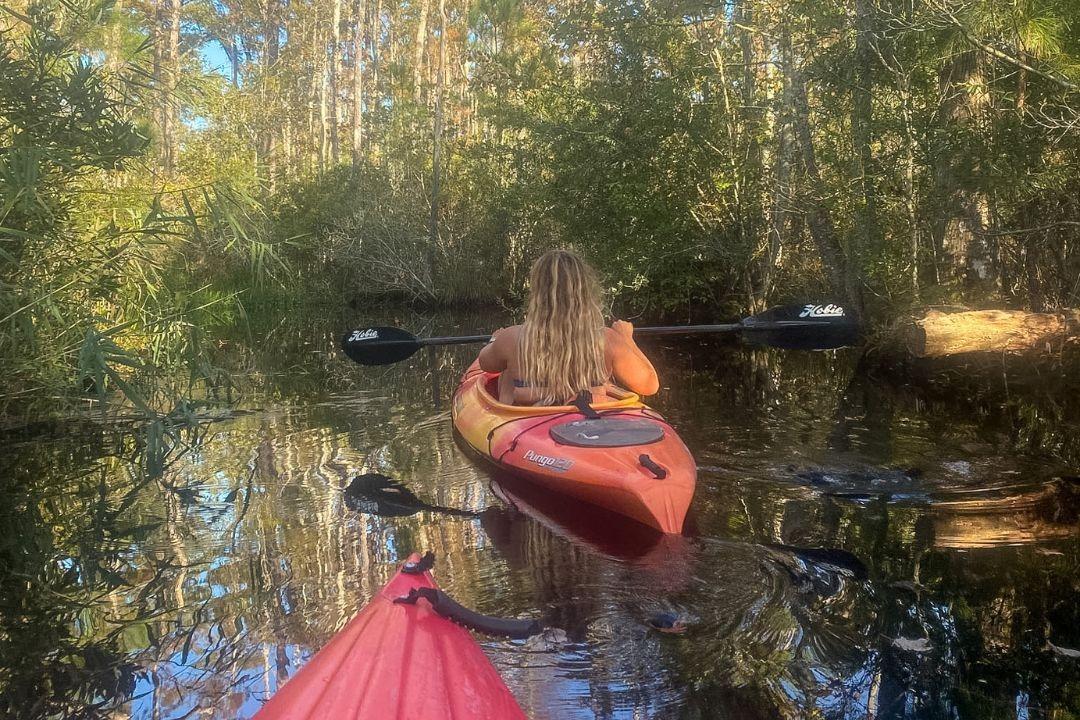
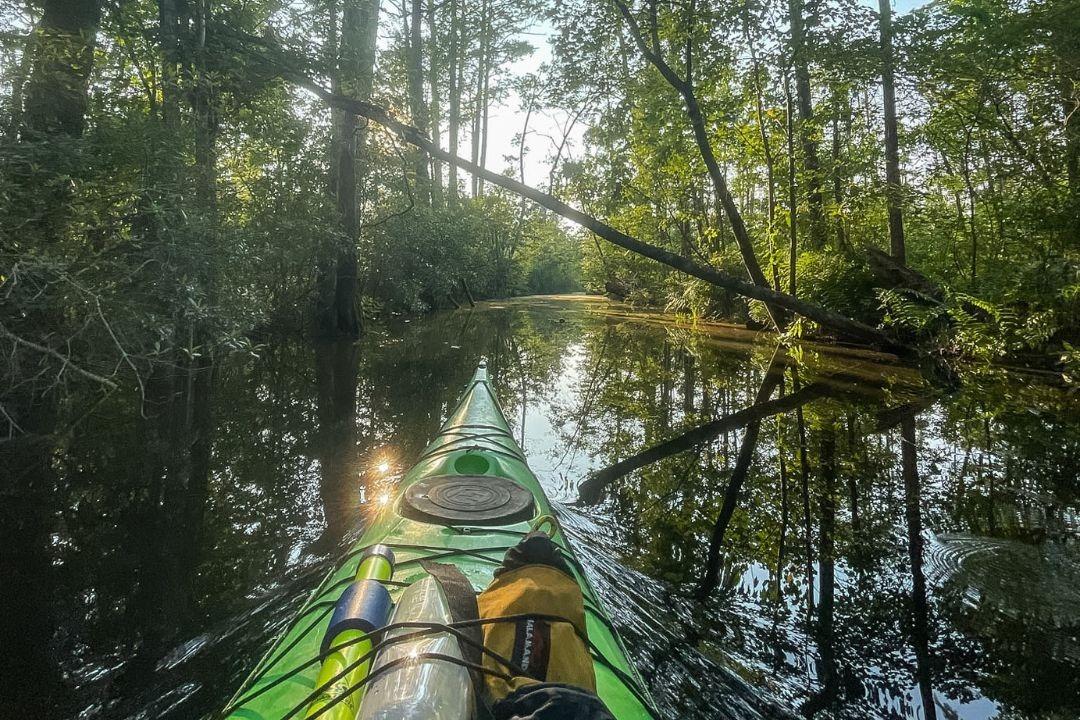
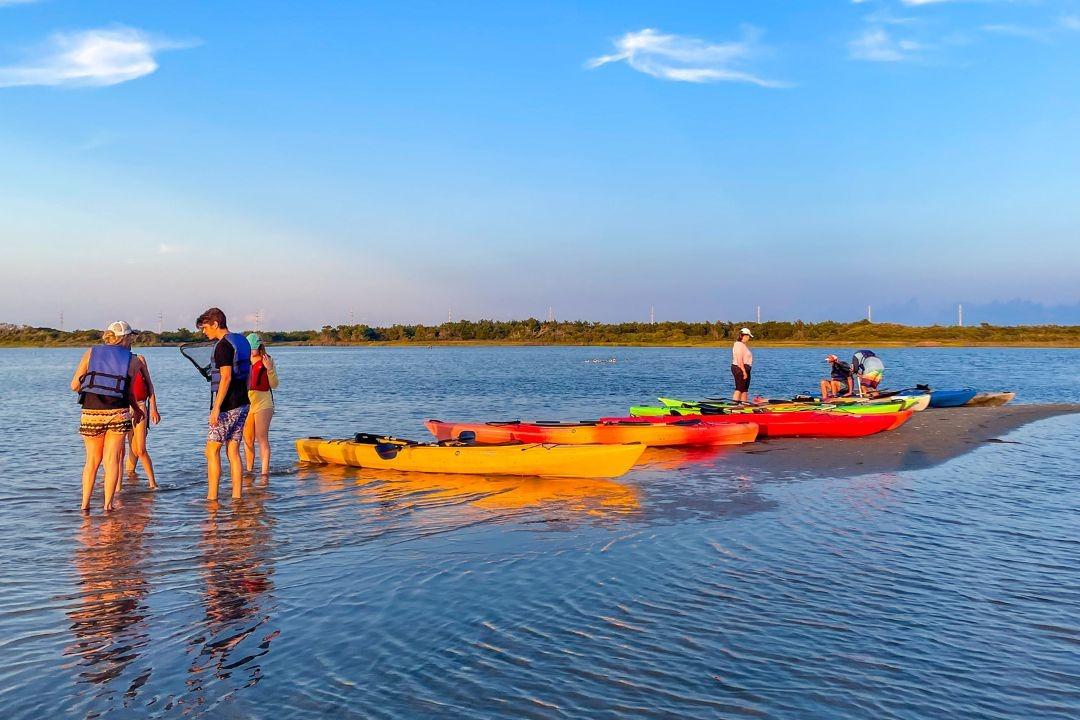
For adventurous visitors, kayaking through the refuge offers an unforgettable way to experience this natural habitat. Popular paddling routes such as Milltail Creek provide calm waters and excellent opportunities to observe wildlife, including alligators, river otters, turtles, bald eagles, and migratory birds. You may even see black bears on the side of the road while entering the refuge. Because the waterways are often sheltered from wind and waves, they are accessible for paddlers of varying experience levels.Despite their intimidating reputation, alligators in the refuge are generally wary of humans and prefer to keep their distance. Guided kayak tours are available for those who want to learn more about the area's ecology and wildlife while exploring safely with an experienced guide.
Kayaking on the Alligator River is one of the most unexpected things to do in the Outer Banks. It offers a completely different perspective of the region—one where quiet waterways, untouched wilderness, and remarkable wildlife take center stage. If you're looking for a hidden gem beyond the beach, this is an adventure worth adding to your Outer Banks itinerary.
-14D6C20A-D5A8-449E-8C5D729E67EDAB63.jpg)
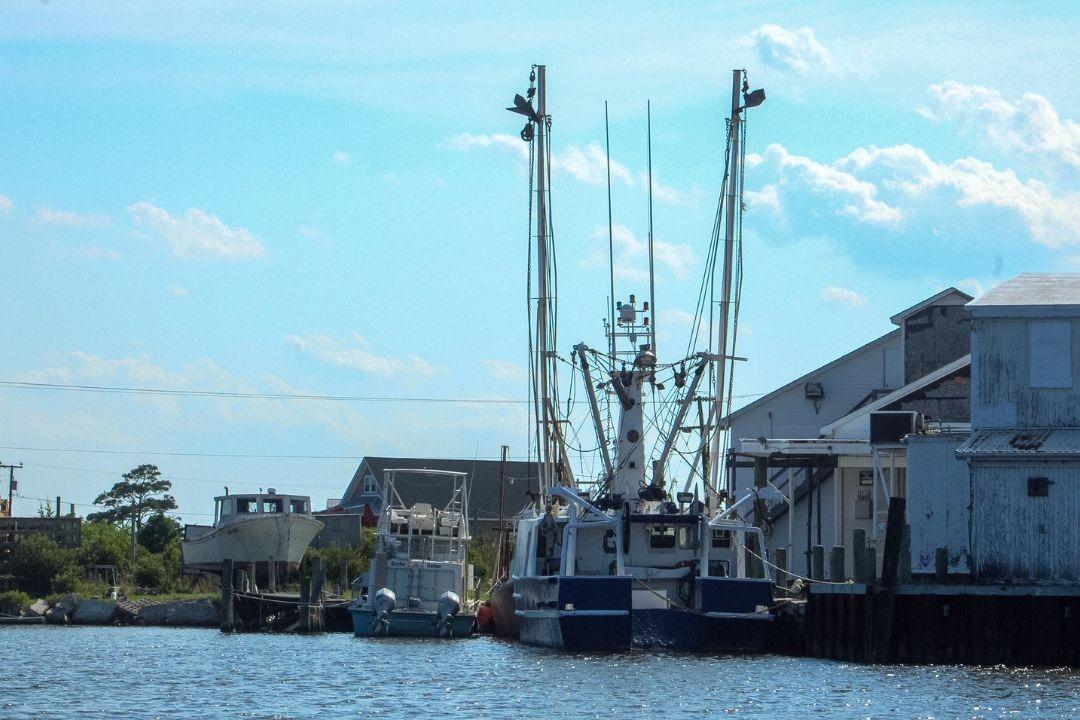
Just south of Manteo, the small fishing village of Wanchese offers a glimpse into the working waterfront culture that has shaped the Outer Banks for generations. While many visitors pass by on their way to the beach, those who take the time to explore Wanchese will discover one of the most authentic and underrated destinations on the Outer Banks.
At the heart of the village is Safe Harbor Outer Banks, one of the largest marinas in the region and home to a fleet of charter fishing boats. Whether you're booking an offshore fishing trip, strolling the docks, or simply watching the boats come and go, the marina provides a fascinating look at the area's thriving sportfishing industry. It's even known as a seasonal home for the famous sportfishing yacht owned by Michael Jordan, making it a popular spot for boating enthusiasts.
After exploring the waterfront, grab a drink and enjoy the laid-back atmosphere at Johanna's Tiki Hut, a local favorite overlooking the marina. The waterfront setting, live music, and relaxed coastal vibe make it a great place to unwind after a day of exploring the Outer Banks.
As the evening continues, visitors looking for nightlife can head to one of Wanchese's local hotspots, where live music and late-night line dancing bring together locals and visitors alike. It's a side of the Outer Banks that many vacationers never experience—one that's rooted in community, maritime heritage, and good old-fashioned fun.
From charter fishing and waterfront dining to local nightlife and marina views, Wanchese offers a refreshing break from the typical beach itinerary. If you're searching for hidden gems on the Outer Banks, this historic fishing village deserves a spot on your list.
-0D6D2583-85DB-44ED-B553243696218755.jpg)
-863CC109-D4AE-4CC0-981E3411A1DFB335.jpg)
-963C938B-44F4-47E0-8AFB812EDDB03B41.jpg)
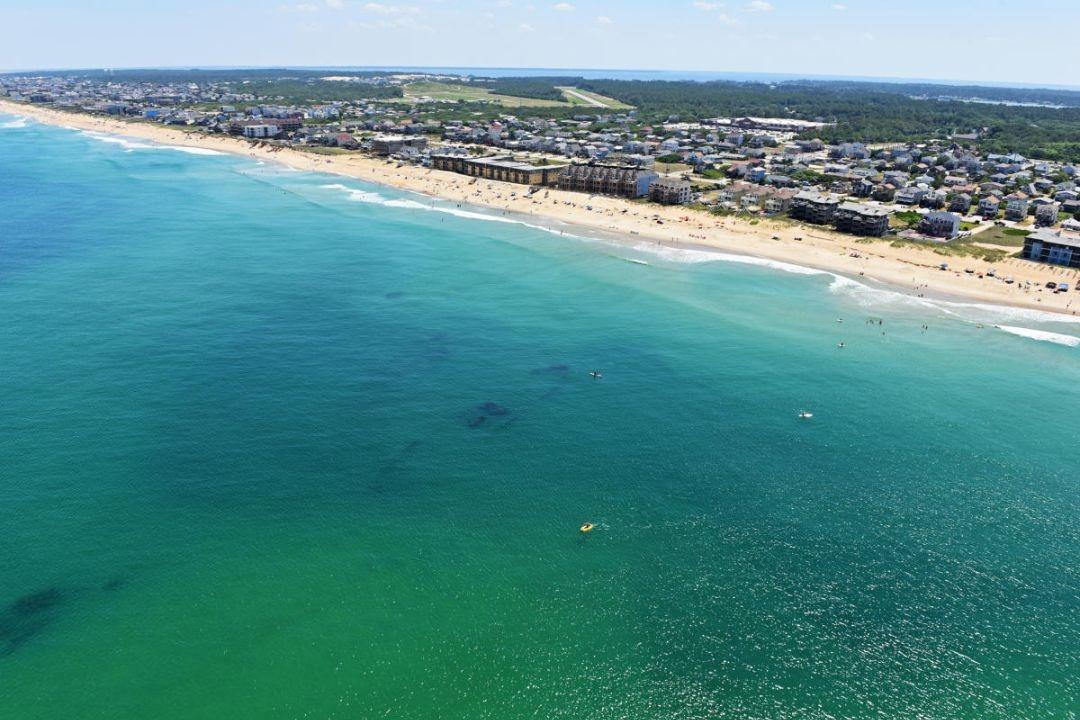
The Outer Banks is known as the “Graveyard of the Atlantic,” with an estimated 2,000 to 3,000 shipwrecks resting off its coast. While many of these wrecks lie in deeper water, several can actually be reached by swimming, snorkeling, kayaking, or paddleboarding from shore, making them some of the most unique hidden attractions on the Outer Banks.
One of the most popular nearshore wrecks is The Huron in Nags Head. Located just offshore near Milepost 11, the remains of this Civil War-era naval vessel sit in about 20 feet of water roughly 200 yards from the beach. On clear days, swimmers and snorkelers can spot pieces of the wreck, including its boiler, rudder, and other historic remnants now surrounded by marine life.
Farther north in Kill Devil Hills are the Triangle Wrecks, a fascinating site created when two separate ships wrecked in nearly the same location just two years apart. The remains of the Kyzickes and the Carl Gerhard now form an underwater triangle-shaped debris field that has become a favorite destination for adventurous swimmers and divers.
Near Oregon Inlet, visitors can spot The Oriental, often called the “Boiler Wreck.” Its large steam engine still protrudes from the water about 100 yards offshore, creating one of the most recognizable shipwreck landmarks on the Outer Banks. Depending on tides and weather conditions, the structure is often visible from the beach and serves as a reminder of the region’s maritime history.
On Hatteras Island near Salvo, the remains of The Pocahontas rest only about 75 yards offshore. Parts of the paddle-wheel shaft can still be seen emerging from the water, making it one of the easiest shipwrecks to locate from the beach. The vessel was lost during the Civil War and remains one of the most historically significant wrecks along the coast.
Another lesser-known site is The Winks Wreck in Kitty Hawk. Sitting roughly 120 yards offshore, this mysterious wreck is smaller and more difficult to spot than the others, but that's part of what makes it such an intriguing hidden gem. The vessel's true identity has never been fully confirmed, adding a layer of mystery to the experience.
Whether you're a history enthusiast, a snorkeler, or simply looking for something beyond a traditional beach day, exploring Outer Banks shipwrecks offers a rare chance to experience history firsthand. Few destinations allow you to swim out to the remains of vessels that have rested beneath the waves for more than a century.
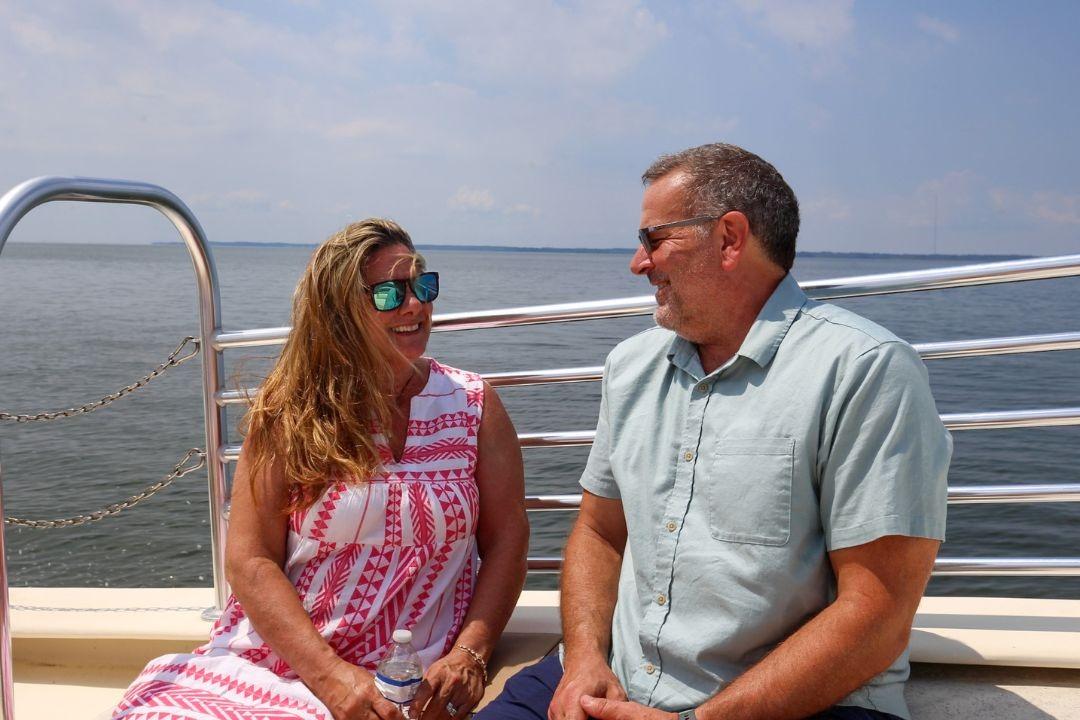
The Vineyard Voyage combines a scenic boat ride, a safari-style adventure, and a wine tasting all in one unforgettable excursion. Departing from the waterfront in Duck, guests cruise across the beautiful Currituck Sound, passing marshes, wildlife habitats, and the historic hunting grounds of Dews Island before arriving on the mainland.
The adventure continues with a ride aboard an open-air 4x4 safari truck that transports visitors through wetlands and farmland to Sanctuary Vineyards. Once at the vineyard, guests enjoy a behind-the-scenes winery tour, learn about the vine-to-glass winemaking process, and sample a selection of award-winning North Carolina wines. The vineyard spans 33 acres and produces more than 7,000 cases of wine annually, earning over 100 awards for its wines.
Whether you're a wine enthusiast or simply looking for a unique way to explore beyond the beach, the Vineyard Voyage offers a completely different side of the Outer Banks. With a combination of coastal scenery, local history, and exceptional wine, it's one of the most unexpected adventures you can experience during your vacation.

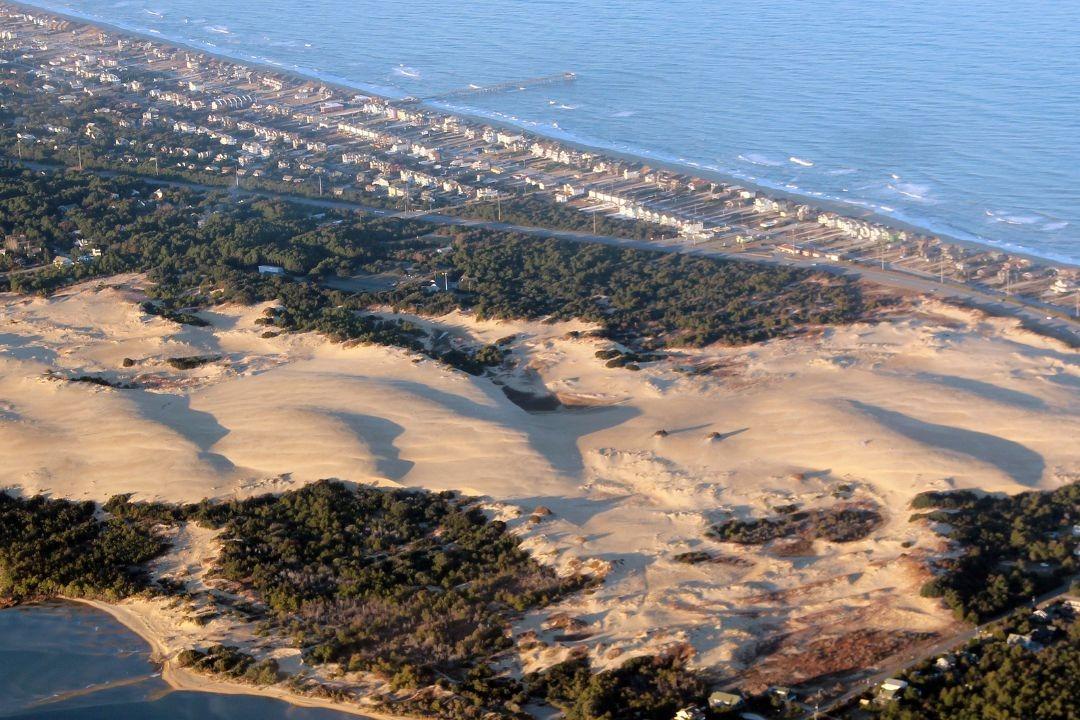
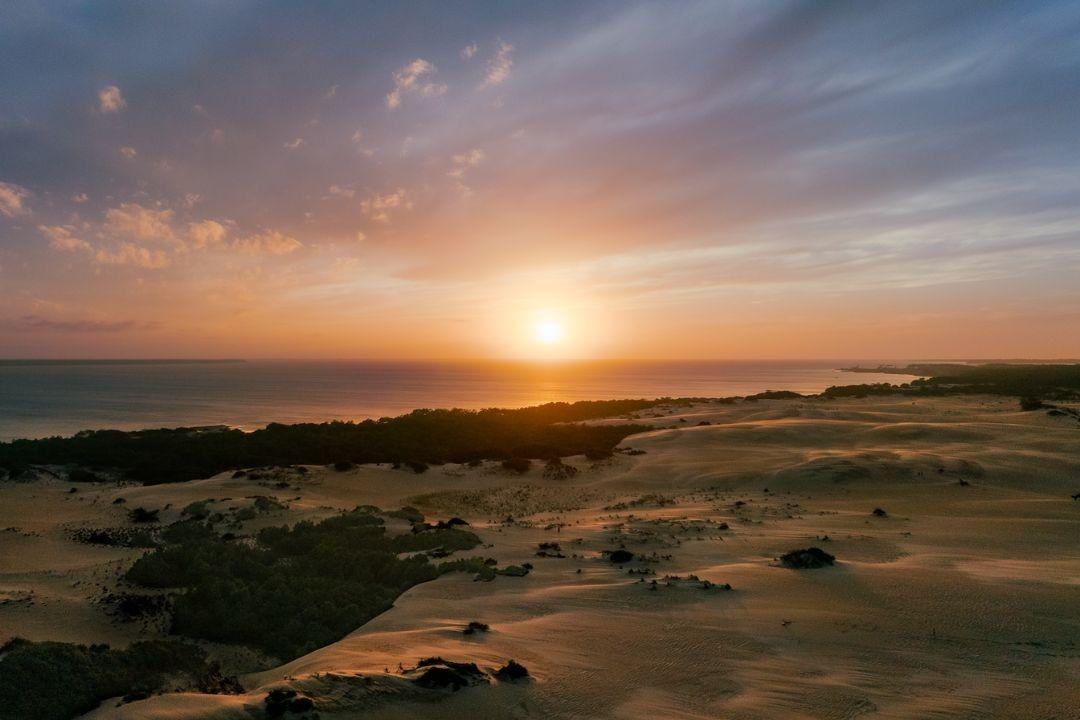
Most visitors head to Jockey's Ridge State Park to watch the sunset or fly a kite, but one of the most exciting ways to experience the East Coast's largest living sand dune is by sandboarding down its towering slopes.
Rising as high as 100 feet above sea level, Jockey's Ridge offers a landscape unlike anywhere else on the Outer Banks. The massive dunes create the perfect setting for sandboarding, a thrilling activity that's often compared to snowboarding—just without the snow. Riders can climb to the top of the dunes and glide down the sandy hills while taking in panoramic views of both the Atlantic Ocean and Roanoke Sound.
Because the dunes are constantly shifting with the wind, no two runs are ever exactly the same. Beginners can start on smaller slopes, while more adventurous riders can tackle some of the steeper sections of the ridge. Sandboards can be rented from local outfitters, making it easy to add this unique experience to your vacation itinerary.
Beyond the excitement, sandboarding is also a great way to experience one of the Outer Banks' most iconic natural landmarks from a different perspective. While thousands of people visit Jockey's Ridge each year, relatively few take the opportunity to race down the dunes themselves.
If you're looking for a fun outdoor adventure that's a little outside the ordinary, sandboarding at Jockey's Ridge is one of the most memorable hidden gems on the Outer Banks. It's family-friendly, budget-friendly, and guaranteed to leave you with a few stories—and probably a little sand in your shoes.

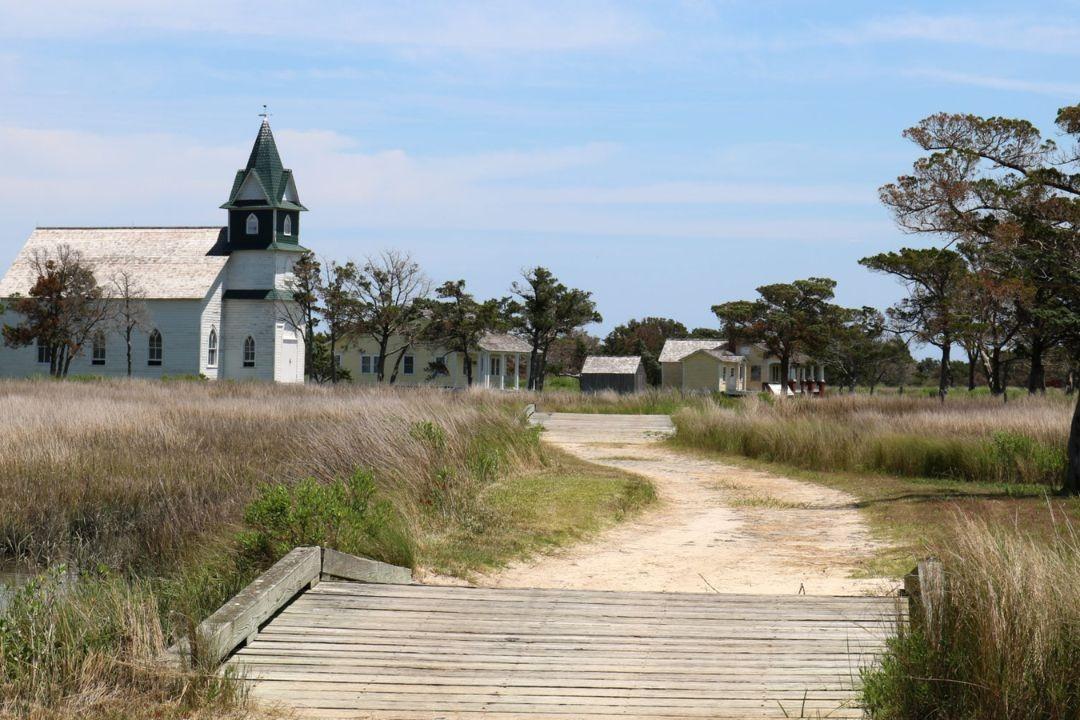
If you're looking to truly get off the beaten path, few places on the Outer Banks are as remote and fascinating as Portsmouth Island. Accessible only by boat, this uninhabited barrier island offers visitors a rare opportunity to explore a preserved ghost village, pristine beaches, and a side of the North Carolina coast that feels frozen in time.
Established in the mid-1700s, Portsmouth was once a thriving port community that helped guide ships through Ocracoke Inlet. At its peak, the village was home to hundreds of residents, complete with homes, a church, a school, and businesses that supported maritime trade. As shipping routes changed and modern transportation evolved, the population gradually declined until the last permanent residents left in the 1970s.
Today, visitors can wander through the historic village and see many of the original buildings that have been preserved by the National Park Service. Walking among the weathered homes and quiet streets offers a glimpse into what life was like on the Outer Banks more than a century ago.
Beyond its history, Portsmouth Island is also a paradise for nature lovers. Miles of undeveloped shoreline provide excellent opportunities for beachcombing, shelling, fishing, and wildlife viewing. Because the island sees far fewer visitors than most Outer Banks destinations, it's not uncommon to find long stretches of beach completely to yourself.
Getting there requires a little extra planning, but that's part of the adventure. Passenger ferries and charter boats depart from nearby Ocracoke, transporting visitors across the inlet to this secluded coastal treasure.
For travelers seeking something beyond the typical beach vacation, Portsmouth Island delivers a one-of-a-kind experience. Between its rich history, untouched landscapes, and peaceful atmosphere, it's one of the most unique hidden gems on the Outer Banks.
While most visitors flock to the oceanfront beaches, some of the best shelling on the Outer Banks happens on the quiet soundside. One of the most underrated spots to explore is the Salvo Day Use Area, located on the Pamlico Sound side of Hatteras Island.
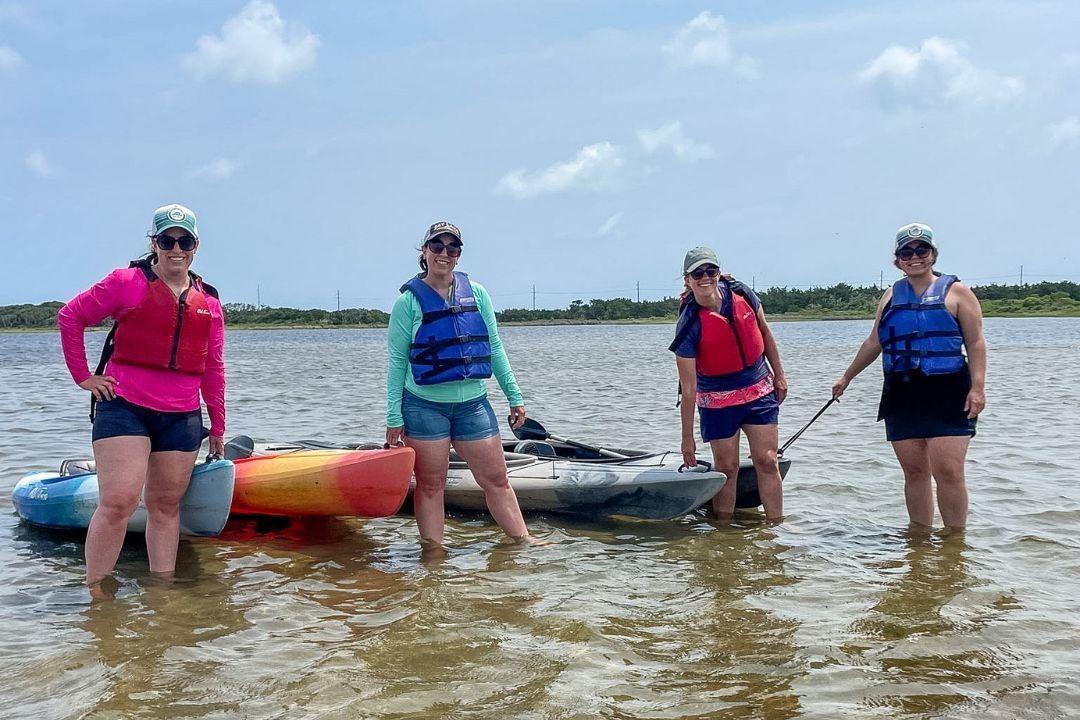
This peaceful park is part of the Cape Hatteras National Seashore and offers a completely different beach experience from the Atlantic side. Instead of waves and surf, visitors are greeted by calm, shallow waters, grassy marsh views, and wide-open sandbars that are perfect for wading and exploring.
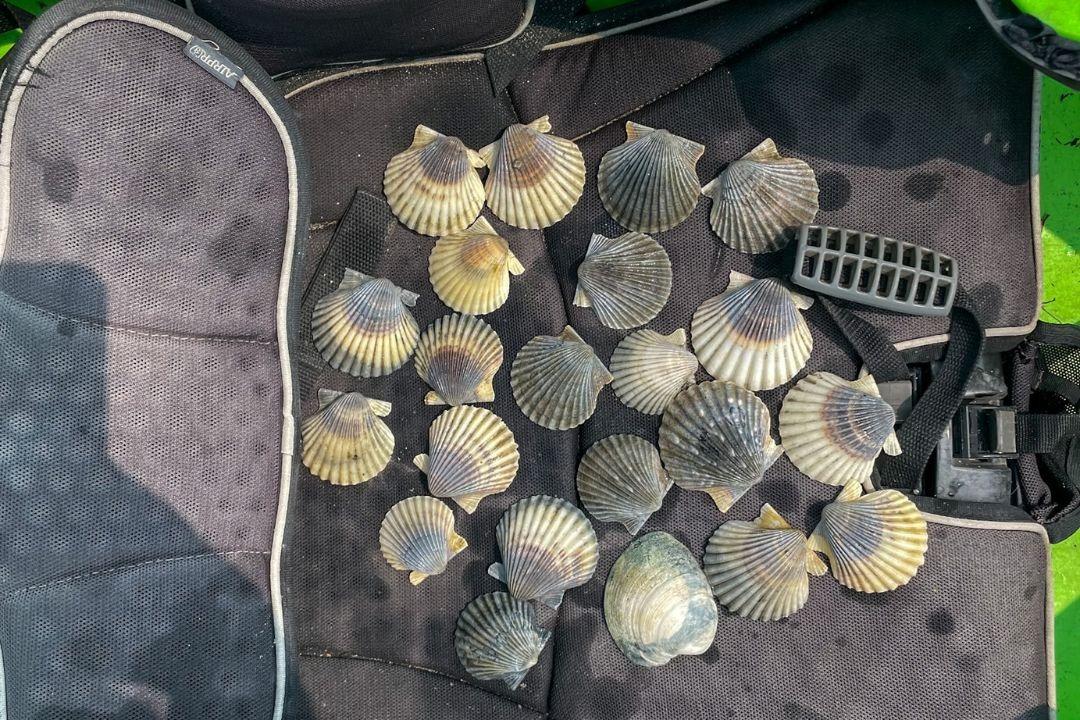
One of the biggest hidden surprises here is shelling for scallops in the sound. After wind events or shifting tides, scallop shells often wash up along the shoreline, especially in the sandy shallows and along the edges of the marsh. Because the water is so calm, it’s easy to wade out and search for shells just beneath the surface, making it a relaxing and rewarding activity for all ages.
Unlike ocean beaches where waves constantly shift what’s on shore, the soundside at Salvo tends to collect shells in predictable areas, especially near sandbars and shallow channels. Early mornings or low tide often provide the best opportunities to find intact shells, sand dollars, and other small coastal treasures.
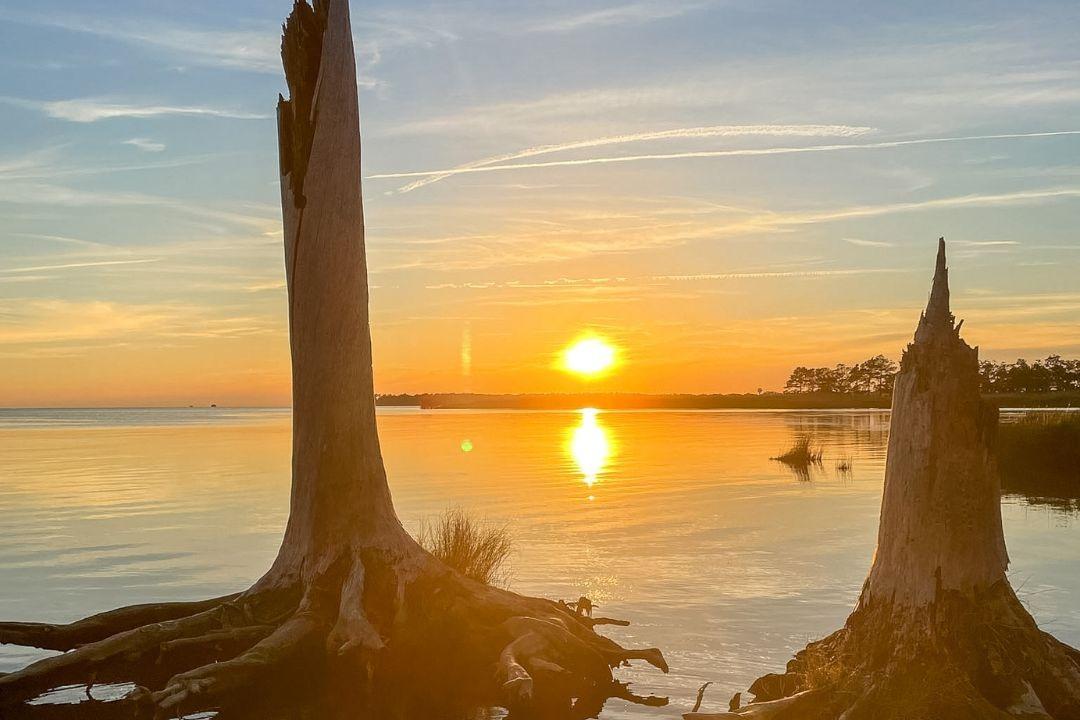
The Salvo Day Use Area is also a great spot for kayaking, paddleboarding, fishing, or simply enjoying a quiet sunset over the water. With picnic areas and easy sound access, it’s one of the best places on Hatteras Island to slow down and experience the natural beauty of the Outer Banks away from the crowds.
For anyone looking to discover a different side of beachcombing, shelling for scallops at Salvo is a simple but unforgettable Outer Banks experience—and one that many visitors never even know exists.
-0BD30792-1575-428F-BC1AD836735B3EB4.jpg)

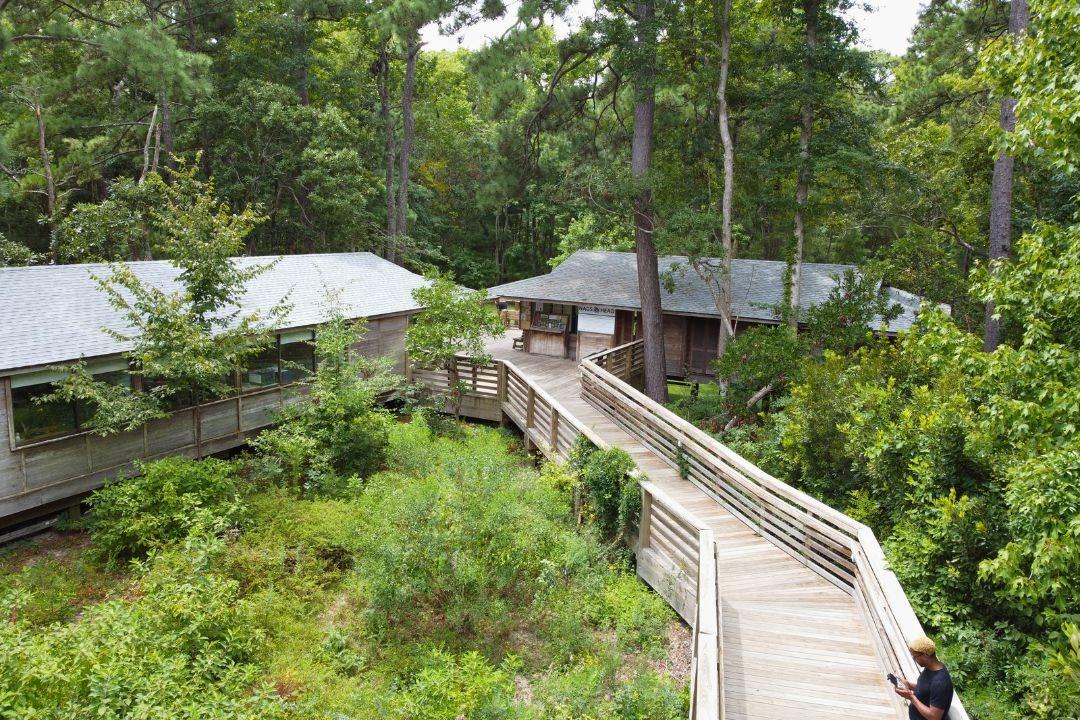
From kayaking through the wild waters of Alligator River National Wildlife Refuge to exploring the historic ghost village on Portsmouth Island, it’s clear the Outer Banks is much more than just beaches. Beyond the well-known attractions, there’s an entirely different side of the coast filled with maritime forests, quiet soundside beaches, remote villages, and unforgettable outdoor adventures like sandboarding the towering dunes at Jockey's Ridge State Park, hunting scallops in the calm waters of the Salvo Day Use Area, or wandering the shaded trails of Nags Head Woods Preserve—hidden gems that most visitors never discover on their own.
The truth is, knowing where to go makes all the difference. That’s where we come in.
When you book your Outer Banks vacation with Outer Banks Blue, you’re not just getting a place to stay—you’re getting access to local insight that helps you experience the destination like an local. Our team knows the quiet kayak routes, the best shelling spots, the least crowded beaches, and the can’t-miss local favorites that turn a great trip into an unforgettable one.Plus, our hand-selected vacation homes put you close to it all, whether you want to be steps from the ocean, tucked along the sound, or near the island’s best-kept secrets.
So if you’re ready to experience the Outer Banks beyond the obvious, let us help you find your perfect home base—and your next hidden adventure.