
A Storybook Stay on the Outer Banks
The legend of the Outer Banks has been growing since the earliest days of American history. What is now considered one of the country’s favorite family friendly beaches, started as a difficult and even dangerous mark on the map. The people inhabiting this small strip of sand, past and present, have made the Outer Banks a nationally recognized name through bravery, courage, ingenuity, and resilience. Commitment to confronting and overcoming hardship has turned our story into one of peace, beauty, and relaxation today!
We invite you to write your own Outer Banks chapter with A Storybook Stay at an Outer Banks Blue vacation rental. Book your 2027 vacation with up to a 10% discount, through November 30, 2026. To help inspire your next beach adventure, we’re releasing a story from the past each Friday. Check back each week for a new insight or perspective on our unique destination!
Sharing is Caring
Roanoke Colony and the Indigenous Peoples
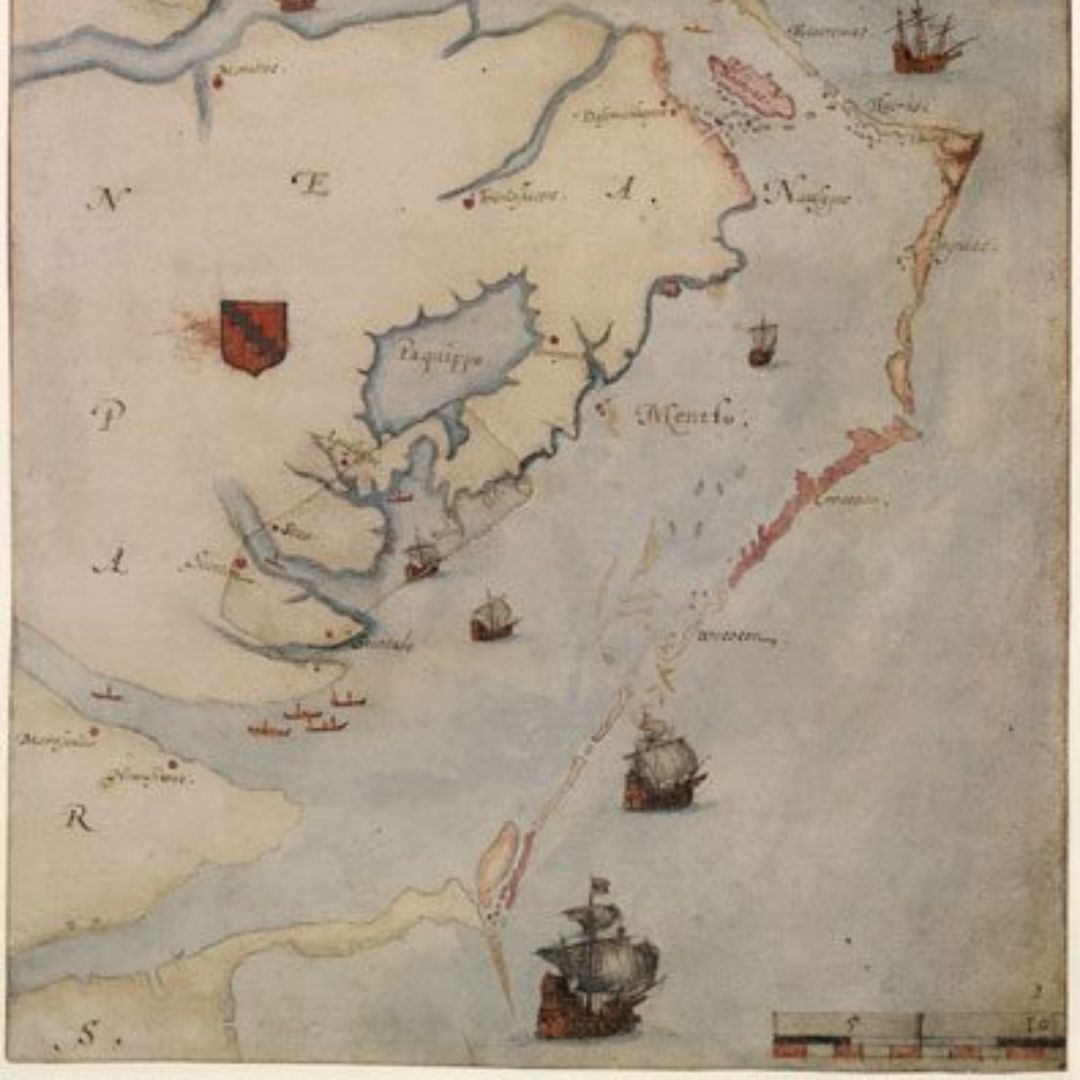
In 1584, two English ships led by Philip Amadas and Arthur Barlowe crossed the Atlantic to explore the coast we now know as the Outer Banks. Sponsored by Sir Walter Raleigh under a charter from Queen Elizabeth I, the expedition sought a promising location for an English settlement and opportunities for trade. It arrived nearly a century after Columbus’s first Atlantic crossing, as England pursued its own ambitions in a world Europeans still knew little about.
The Outer Banks’ early encounters with English explorers offer a lasting lesson about entering a place that others call home. The “new lands” described by Europeans were home to Indigenous communities with established governments, agriculture, and relationships across the region’s islands and waterways. Far from home and with limited supplies, the English newcomers’ survival depended on local knowledge and assistance. Early interactions between the first colonists and Native Americans were tense, but the desire to interact and engage with one another led to a shared culture that lives on today.
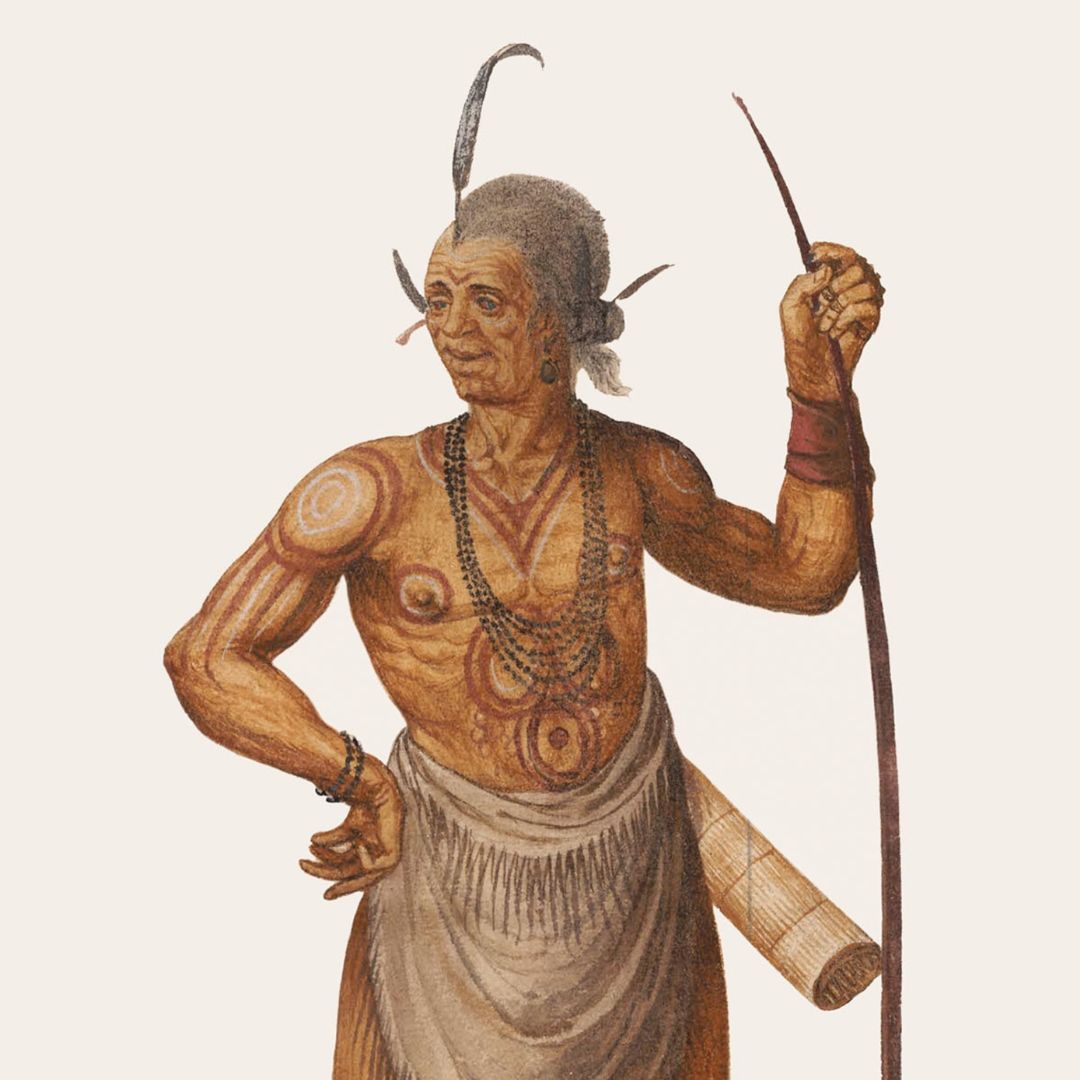
Manteo and Wanchese are names that all Outer Bankers know. These significant Native American figures both traveled to England following the initial 1584 expedition, but their subsequent relationships with the English differed. Manteo, associated with the Croatoan community, continued to help with communication and negotiation. Wanchese, associated with the Roanoke community, became aligned with opposition to the settlers as tensions and demands for food increased.
We don’t know exactly what happened to earliest English settlers and “the lost colony” of Roanoke, but we do know that the colonists’ relationship with the existing residents is central to the story. While many historians believe that the Roanoke colony was ultimately absorbed into the Croatoan tribe with resources dwindling and resupply uncertain, there are darker and more frightening possibilities. The mystery surrounding the lost colony reminds us that cooperation requires more than a willingness to welcome newcomers: it requires respect for the place, people, and interests already present.
Modern tourism takes place under very different circumstances from colonization. Still, visitors and residents face a shared responsibility. The Outer Banks are both a beloved vacation destination and a place where people work, raise families, and depend on limited infrastructure and a sensitive coastal environment.
At Outer Banks Blue, welcoming guests and caring for our community go hand in hand. We promote responsible travel through efforts such as sharing the Outer Banks Promise, and we contribute through volunteer and charity opportunities as a company and as individual employees. We encourage guests to respect local guidance, care for beaches and wildlife, support local businesses, and approach the people who live and work here with patience and consideration.
Enjoying the Outer Banks comes with an opportunity to contribute to its future. When visitors, residents, and businesses listen to one another and share responsibility for this place, we help preserve both the experience people return for and the community that makes it possible.
As we approach Thanksgiving and the Holiday season, we invite you to bring the spirit of responsible travel to the Outer Banks with an inventory wide discount of up to 10%, through the month of November.
Plan your Storybook Stay →